
What is fire alarm monitoring: essential guide 2026

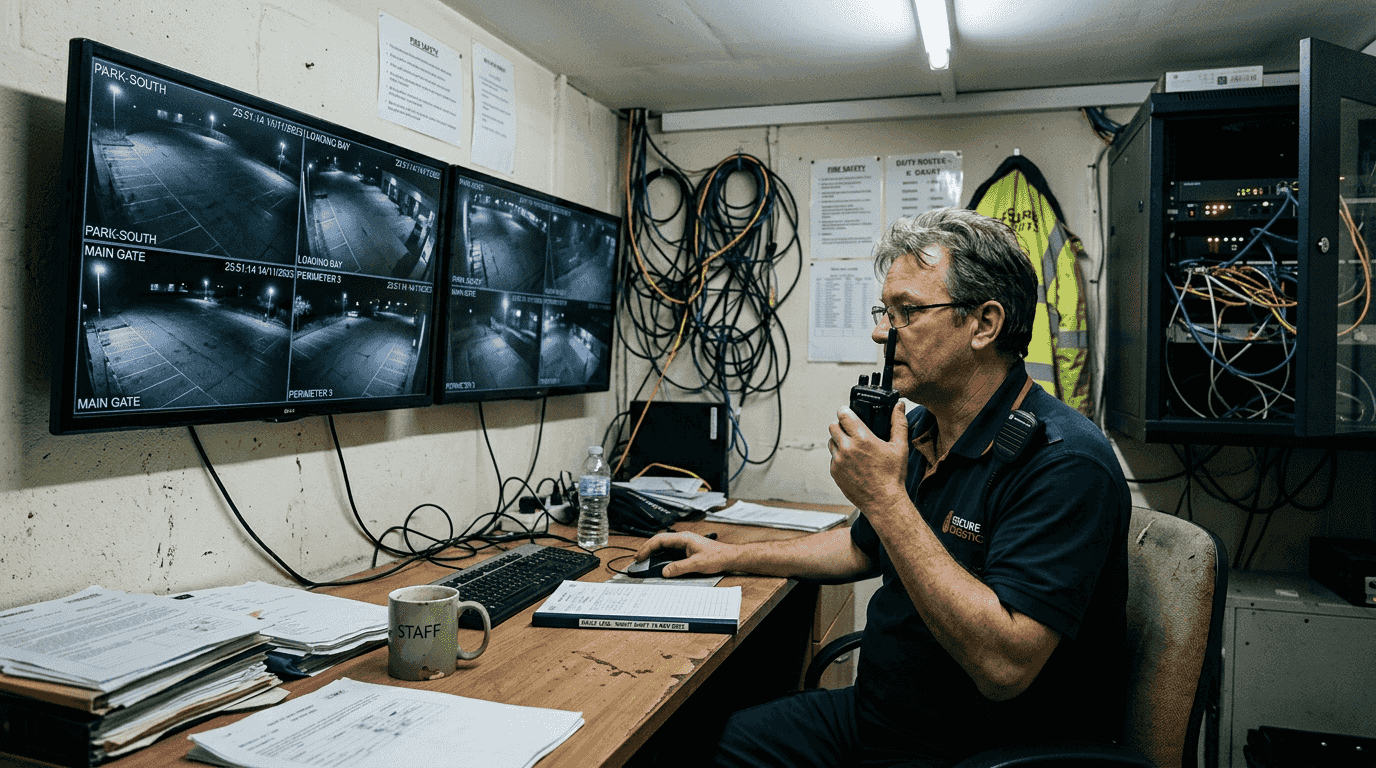
Fire alarm monitoring connects your building’s fire detection system to a professional alarm receiving centre that operates around the clock. When sensors detect smoke or heat, trained operators immediately verify the threat and dispatch emergency services while alerting your keyholders. This automated response proves critical because 67% of major fires occur outside working hours, when premises stand empty and standard bell-only alarms cannot summon help.
Table of Contents
Key takeaways
Point | Details |
24/7 professional surveillance | Alarm receiving centres monitor your premises continuously, ensuring immediate emergency response regardless of time or day. |
Multiple signalling paths | Dual or treble path systems use PSTN, IP, GSM or radio technologies to maintain reliable communication even if one channel fails. |
Compliance and insurance requirements | Most commercial insurance policies mandate professional monitoring, whilst Irish regulations require verified emergency alerting for many premises types. |
False alarm management | Professional operators assess and filter nuisance triggers before dispatching responders, reducing operational disruption and penalty costs. |
Enhanced protection with mobile patrols | On-site verification teams can be dispatched immediately to validate incidents and provide human presence during emergencies. |
How fire alarm monitoring works: the technology and process
Fire alarm monitoring operates through three integrated layers that transform local detection into verified emergency response. Understanding these components helps facility managers select systems matching their operational and compliance needs.
The detection layer forms your first line of defence. Smoke detectors, heat sensors and manual call points identify potential fires throughout your premises. Modern systems use addressable technology that pinpoints the exact location of each triggered device, enabling faster assessment and response.
Communication forms the critical bridge between detection and action. When sensors activate, your system transmits signals to alarm receiving centres using various technologies. Systems employ PSTN landlines, IP networks, GSM mobile connections or radio links, each offering distinct advantages for reliability and speed.
Key signalling technologies include:
PSTN uses traditional telephone lines for stable transmission but remains vulnerable to cable damage
IP monitoring leverages internet connections for fast data transfer and remote system management
GSM cellular networks provide wireless reliability where landline infrastructure proves impractical
Radio links offer highly secure independent channels immune to telecommunications failures
Dual or treble path configurations combine multiple technologies to ensure failover protection
Monitoring centres provide the human intelligence layer. Trained operators assess incoming signals 24/7, distinguishing genuine emergencies from technical faults or environmental triggers. This verification prevents unnecessary fire brigade callouts whilst ensuring authentic incidents receive immediate attention.
Upon confirming an alarm, operators simultaneously contact emergency services and your designated keyholders. This dual notification ensures fire brigades reach your site quickly whilst responsible personnel receive updates and can provide building access or critical information about hazards.
Regular system testing and fire alarm maintenance ensures communication paths remain operational. Monitoring centres log all signals, creating audit trails that demonstrate compliance with safety regulations and insurance requirements.
Why fire alarm monitoring is critical for workplace safety and compliance
Professional monitoring transforms fire detection from a passive warning system into an active life-safety mechanism. The distinction between alerting occupants and summoning emergency response determines whether fires remain controllable incidents or escalate into catastrophic losses.

Early intervention saves lives and property. Monitored systems enable fire brigades to mobilise within minutes of detection, often reaching premises before flames spread beyond their origin point. This rapid response dramatically reduces smoke damage, structural compromise and business interruption costs.
Insurance coverage frequently mandates professional monitoring, particularly for high-value commercial properties or premises storing hazardous materials. Policies may refuse claims or impose substantial premium increases when businesses operate without certified monitoring services. Facility managers should verify their specific requirements with insurers during policy reviews.
Irish fire safety legislation establishes monitoring obligations for many commercial premises types. Regulations require systems that guarantee emergency service notification rather than relying on chance discovery by neighbours or passing traffic. Non-compliance risks enforcement notices, operating restrictions or prosecution following incidents.
Core safety and compliance benefits include:
Immediate fire brigade dispatch reduces response times and contains fire spread
Documented alarm handling creates evidence of due diligence for legal proceedings
Remote system supervision detects equipment faults before they compromise protection
Keyholder notification enables rapid site access for emergency responders
Continuous protection covers vulnerable periods when premises stand unoccupied
Business continuity depends on minimising fire impact. Monitored systems support operational resilience by protecting revenue-generating assets, preserving customer data and maintaining supply chain integrity. Companies that experience major fires without adequate protection often struggle to resume trading or lose market position to competitors.
The financial equation proves compelling. Professional monitoring costs represent a fraction of potential fire losses, typically ranging from modest monthly fees that pale against single-day revenue or replacement costs for critical equipment. Understanding compliance requirements helps businesses budget appropriately whilst meeting legal obligations.
Common misconceptions about fire alarm monitoring
Misunderstandings about fire alarm capabilities create dangerous protection gaps in Irish businesses. Clarifying these myths helps facility managers make informed decisions about their safety investments.
Many assume bell-only alarms automatically alert fire brigades. Standard sounders only warn occupants locally and do not contact emergency services. Unoccupied buildings with sounder-only systems rely entirely on neighbours hearing alarms and choosing to investigate, introducing unreliable delays that allow fires to intensify unchecked.
The belief that all alarms reach authorities proves equally flawed. False alarms do not trigger police or fire response unless professionally monitored systems verify and report incidents. This filtering protects emergency services from overwhelming nuisance calls whilst ensuring genuine threats receive priority attention.
Some businesses view monitoring as purely technological, overlooking the critical human assessment component. Automated systems generate signals, but trained operators provide contextual evaluation that distinguishes urgent fires from innocuous triggers like steam or dust. This intelligence layer prevents both missed emergencies and wasteful false dispatches.
Common false beliefs include:
Assuming modern buildings with sprinklers do not need monitoring, when integrated systems provide essential early warning
Believing mobile phone alerts to keyholders substitute for professional monitoring, despite unreliable delivery and delayed response
Thinking monitoring only benefits large facilities, whilst small premises face proportionally greater losses from fires
Expecting monitoring to eliminate all false alarms, when environmental factors occasionally trigger genuine detector responses
Pro Tip: Request alarm handling records from prospective monitoring providers. Quality operators maintain detailed logs showing response times, verification procedures and communication protocols. These records demonstrate their capability to manage your system effectively whilst meeting insurance and regulatory requirements.
Understanding proper maintenance practices helps dispel the myth that monitoring compensates for neglected equipment. Monitoring services depend on functional detection devices and reliable signalling paths. Regular testing and servicing remain essential regardless of monitoring quality, ensuring the entire protection chain operates when needed.
Technologies behind fire alarm monitoring: comparison and reliability
Selecting appropriate signalling technology determines whether your monitoring system maintains connectivity during infrastructure failures or adverse conditions. Each communication method offers distinct characteristics that suit different operational environments and risk profiles.
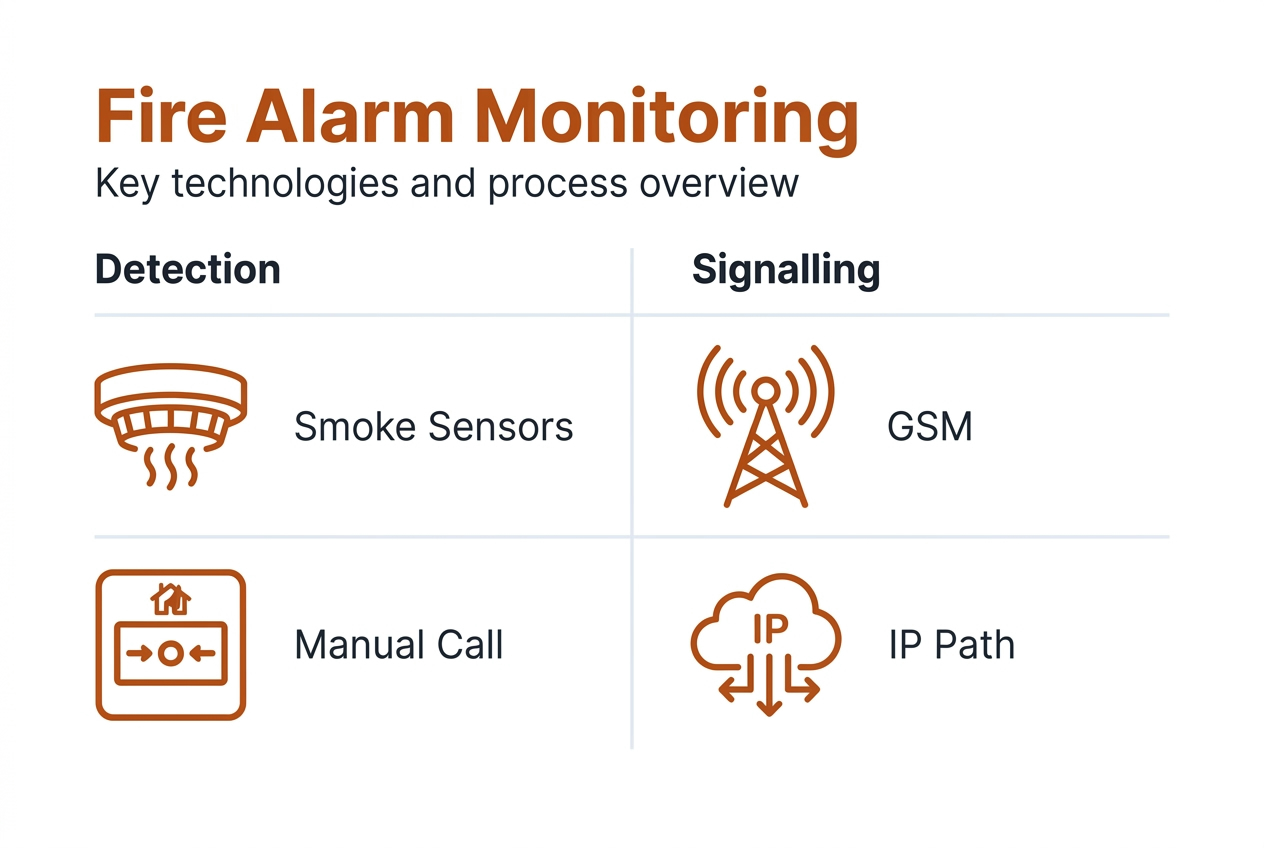
PSTN landline connections provide stable, proven transmission over copper telephone networks. These systems integrate simply with existing telecommunications infrastructure and operate independently of internet connectivity. However, physical cable damage from construction work, vehicle impacts or vandalism can sever communication, creating protection gaps until repairs complete.
IP monitoring leverages internet protocols for fast, data-rich signalling. These systems enable remote diagnostics, real-time status updates and integration with building management platforms. Reliability depends entirely on network stability, making quality internet connections and uninterruptible power supplies essential for continuous operation.
GSM cellular technology offers wireless independence from fixed infrastructure. Mobile network signals reach locations where landline installation proves impractical or prohibitively expensive. Coverage strength varies by location and network provider, requiring site surveys to verify adequate signal levels before installation.
Radio link systems transmit via dedicated frequencies independent of public telecommunications networks. This isolation provides exceptional security against infrastructure failures affecting multiple buildings simultaneously. Initial equipment costs exceed other technologies, but reliability benefits justify investment for critical facilities.
Dual and treble path configurations combine multiple signalling methods to create resilient communication architecture. When primary paths fail, backup channels automatically assume transmission responsibilities without interrupting monitoring coverage.
Technology | Reliability | Independence | Cost | Best suited for |
PSTN | High in stable areas | Vulnerable to cable damage | Low | Standard commercial premises with existing lines |
IP | Depends on network quality | Requires internet connection | Moderate | Modern buildings with robust IT infrastructure |
GSM | Good with strong signal | Independent wireless operation | Moderate | Remote sites or locations without landlines |
Radio | Excellent | Completely independent | Higher | Critical facilities requiring maximum resilience |
Dual/Treble Path | Exceptional | Multiple backup options | Higher | High-value sites or strict compliance requirements |
Pro Tip: Specify signal path requirements in writing when requesting monitoring quotes. Reputable providers recommend configurations matching your building’s risk profile and infrastructure rather than defaulting to cheapest options. Ask how systems handle communication failures and what redundancy measures protect against extended outages.
Annual testing verifies each signalling path operates correctly. Monitoring services should include scheduled path checks that confirm backup channels activate seamlessly when primary connections fail. Documentation from these tests demonstrates system resilience to insurers and regulatory authorities.
Geographic factors influence technology selection. Urban locations typically enjoy excellent coverage across all methods, whilst rural premises may require GSM or radio solutions where landline infrastructure proves limited. Understanding business security fundamentals helps integrate fire monitoring within comprehensive protection strategies.
Managing false alarms and practical considerations
False alarms represent the primary operational challenge for monitored fire systems. Effective management balances sensitivity to genuine threats against minimising disruption from nuisance activations that waste resources and erode confidence in protection measures.
Environmental conditions trigger many false alarms. Steam from kitchens or bathrooms, dust from construction activities and aerosol sprays can activate smoke detectors designed to err towards caution. Temperature fluctuations, direct sunlight on heat detectors and insect ingress into sensing chambers also generate spurious signals requiring investigation.
Technical factors contribute significantly. Ageing detectors develop increased sensitivity or component failures that cause erratic behaviour. Poor installation positioning near air conditioning vents or external doors subjects devices to conditions exceeding their design parameters. Electrical interference from nearby equipment occasionally disrupts signalling systems, creating phantom alarms.
Operational impacts extend beyond immediate disruption. Fire brigade callouts to false alarms may incur charges under local authority policies. Staff become desensitised to alarms when frequent false activations establish patterns of crying wolf. Insurance premiums can rise when excessive false alarm rates suggest inadequate system management.
Professional monitoring includes verification protocols that filter false triggers before dispatching emergency services. Operators contact keyholders immediately upon alarm receipt, confirming whether site conditions warrant fire brigade attendance. This human assessment prevents unnecessary callouts whilst ensuring genuine incidents receive priority response.
Practical reduction strategies include:
Scheduling regular maintenance inspections that clean detectors and replace ageing components before failures occur
Training staff to recognise activities that might trigger alarms and implement appropriate precautions
Installing detector types matched to specific area risks, such as heat detectors in dusty warehouses
Implementing confirmation delays that require multiple detector activations before signalling emergencies
Maintaining detailed false alarm logs that identify patterns enabling targeted remediation
Pro Tip: Establish clear keyholder response procedures that specify who receives alarm notifications and in what sequence. Rapid keyholder contact enables faster verification and resolution of false alarms whilst ensuring someone remains available for genuine emergencies regardless of time or circumstances.
Some businesses fear monitoring costs will spiral due to false alarm charges. Quality monitoring services include alarm verification as standard rather than charging per activation. Clarify fee structures during provider selection, ensuring you understand what services baseline costs cover and whether additional charges apply for specific circumstances.
Balancing sensitivity against false alarm rates requires ongoing attention. Systems configured too conservatively may miss developing fires, whilst overly sensitive settings generate excessive nuisance alarms. Professional installers calibrate detection thresholds during commissioning and adjust based on operational experience over initial months.
Extending protection: mobile patrol and on-site response integration
Mobile patrol services add a crucial human verification layer to automated monitoring systems. When alarms activate, trained security personnel dispatch immediately to your premises to assess situations first-hand and coordinate appropriate responses.
Physical presence enables capabilities impossible through remote monitoring alone. Patrol officers visually confirm fire evidence, identify specific affected areas and communicate detailed intelligence to arriving fire brigades. This information helps emergency services position apparatus effectively and prioritise rescue or firefighting tactics based on actual conditions.
Security benefits extend beyond fire response. Officers can secure premises after incidents, preventing opportunistic theft during evacuation confusion or whilst buildings remain unoccupied during emergency operations. They provide access for fire investigators, utility companies and restoration contractors, eliminating delays whilst keyholders travel to site.
Mobile patrols offer particular value for:
High-value facilities where rapid incident assessment justifies additional response costs
Remote locations where fire brigade response times exceed urban averages
Premises storing hazardous materials requiring specialist emergency service notification
Facilities with complex access requirements or multiple buildings across extensive sites
Businesses prioritising minimum disruption through faster alarm verification and resolution
Integration with monitoring centres creates seamless response coordination. When alarms trigger, operators simultaneously notify emergency services and dispatch mobile patrols according to predetermined protocols. This parallel activation ensures the fastest possible human presence at your premises whilst maintaining professional emergency service notification.
Peace of mind represents an often-overlooked benefit. Facility managers and business owners gain confidence knowing trained personnel will attend incidents immediately, even when they cannot reach premises quickly themselves. This assurance proves particularly valuable during overnight periods, weekends or holidays when key staff may be unavailable.
Cost considerations require balancing patrol availability against risk exposure. Some businesses contract permanent patrol standby for immediate dispatch, whilst others accept slightly longer response times in exchange for lower ongoing costs. Discussing specific operational requirements with monitoring service providers helps identify appropriate service levels matching your risk profile and budget constraints.
Incident reports from mobile patrols create valuable documentation for insurance claims, regulatory investigations and internal reviews. Detailed observations about alarm causes, fire extent and response effectiveness help businesses refine their safety procedures and demonstrate due diligence in protection measures.
Implementing and maintaining fire alarm monitoring systems
Successful fire alarm monitoring begins with thorough risk assessment and strategic planning. Facility managers should evaluate building characteristics, occupancy patterns, stored materials and applicable regulations to determine appropriate system specifications and monitoring requirements.
Begin by engaging certified fire safety professionals who understand Irish regulatory frameworks. These specialists assess your premises comprehensively, identifying detection requirements, signalling technology needs and monitoring service specifications that deliver compliant, reliable protection. Their expertise prevents costly mistakes from inadequate coverage or inappropriate equipment selection.
Implementation follows a structured sequence:
Conduct comprehensive site surveys identifying fire risks, detection zone requirements and optimal equipment placement
Select monitoring providers holding relevant certifications and demonstrating verifiable alarm handling capabilities
Specify signalling technologies offering appropriate reliability for your operational requirements and budget
Install detection equipment, control panels and communication paths according to manufacturer specifications and regulatory standards
Commission systems through thorough testing that verifies every detector activates correctly and signals reach monitoring centres
Train designated keyholders on response procedures, including verifying alarms and coordinating with emergency services
Establish maintenance schedules meeting regulatory inspection frequencies and manufacturer service intervals
Document all installations, testing and modifications in logbooks demonstrating ongoing compliance
Pro Tip: Involve your insurance broker early in the planning process. They can clarify specific monitoring requirements that affect premium rates and ensure your chosen system configuration satisfies policy conditions. This early engagement prevents discovering coverage gaps after installation completes.
Ongoing maintenance proves as critical as initial installation quality. Regular servicing ensures detection devices remain sensitive, communication paths stay operational and backup batteries maintain charge for power failure scenarios. Schedule inspections according to manufacturer recommendations and regulatory minimums, typically quarterly for detection equipment and annually for comprehensive system assessments.
Keyholder training requires regular refreshment. Staff turnover and procedural changes necessitate periodic reviews ensuring current personnel understand their responsibilities. Training should cover alarm response protocols, safe evacuation procedures and communication with monitoring centres during emergencies.
Systematic record keeping demonstrates compliance and supports insurance claims. Maintain comprehensive logs recording all alarm activations, maintenance visits, testing results and system modifications. These documents prove invaluable during regulatory inspections, insurance reviews or investigations following incidents.
Budgeting should account for total ownership costs including installation, monitoring fees, maintenance contracts and periodic equipment upgrades. Professional installation services provide detailed quotations covering all cost elements, enabling accurate long-term financial planning without unexpected expenses undermining protection budgets.
Protect your business with professional fire alarm monitoring
Implementing robust fire alarm monitoring requires expertise, certified equipment and ongoing professional support. Signal Fire & Security delivers comprehensive fire protection solutions tailored specifically for Irish commercial premises, combining cutting-edge detection technology with 24/7 monitoring that ensures immediate emergency response when seconds count.

Our certified monitoring services connect your premises to alarm receiving centres staffed by trained operators who assess alerts, verify incidents and coordinate emergency service dispatch according to established protocols. We design and install systems meeting current Irish fire safety regulations whilst supporting your specific operational requirements and risk profile.
Signal Fire & Security integrates professional fire alarm installation with comprehensive maintenance programmes that keep your protection operating reliably year after year. From initial risk assessment through commissioning, training and ongoing support, we deliver complete fire safety solutions that protect lives, property and business continuity. Our Dublin-based expertise ensures rapid response for installation, servicing and emergency support across the region. Contact our team today to discuss how professional fire alarm monitoring can safeguard your premises.
Frequently asked questions
What is the difference between monitored and non-monitored fire alarms?
Monitored fire alarms automatically transmit signals to professional alarm receiving centres that verify incidents and contact emergency services immediately. Non-monitored systems only activate local sounders or visual alerts, relying on occupants or neighbours to notice and report fires. Monitored systems provide faster, verified emergency response particularly critical when premises stand unoccupied.
Are monitored fire alarm systems required by law in Ireland?
Irish fire safety regulations mandate monitoring for many commercial premises types, particularly those with significant fire loads, public access or vulnerable occupants. Insurance policies frequently require professional monitoring regardless of legal obligations, making coverage conditional on certified systems. Facility managers should consult fire safety professionals and insurance providers to determine specific requirements for their premises, as covered in our compliance guidance.
How do dual and treble path signalling improve system reliability?
Dual and treble path configurations use multiple independent communication channels such as PSTN, IP and GSM simultaneously. If one signalling method fails due to infrastructure damage or technical faults, backup paths automatically maintain connectivity to monitoring centres without interruption. This redundancy ensures continuous protection even during telecommunications outages or equipment failures. Learn more about monitoring technologies and their reliability benefits.
What can businesses do to reduce false alarms with monitored systems?
Regular system maintenance including detector cleaning and component replacement prevents technical false alarms from equipment degradation. Staff training helps avoid environmental triggers like steam or aerosol sprays near sensors. Professional monitoring includes verification protocols where operators contact keyholders before dispatching emergency services, filtering nuisance activations whilst ensuring genuine incidents receive immediate response. Detailed guidance appears in our maintenance compliance article.
Recommended



Comments