
Types of security systems for commercial properties 2026

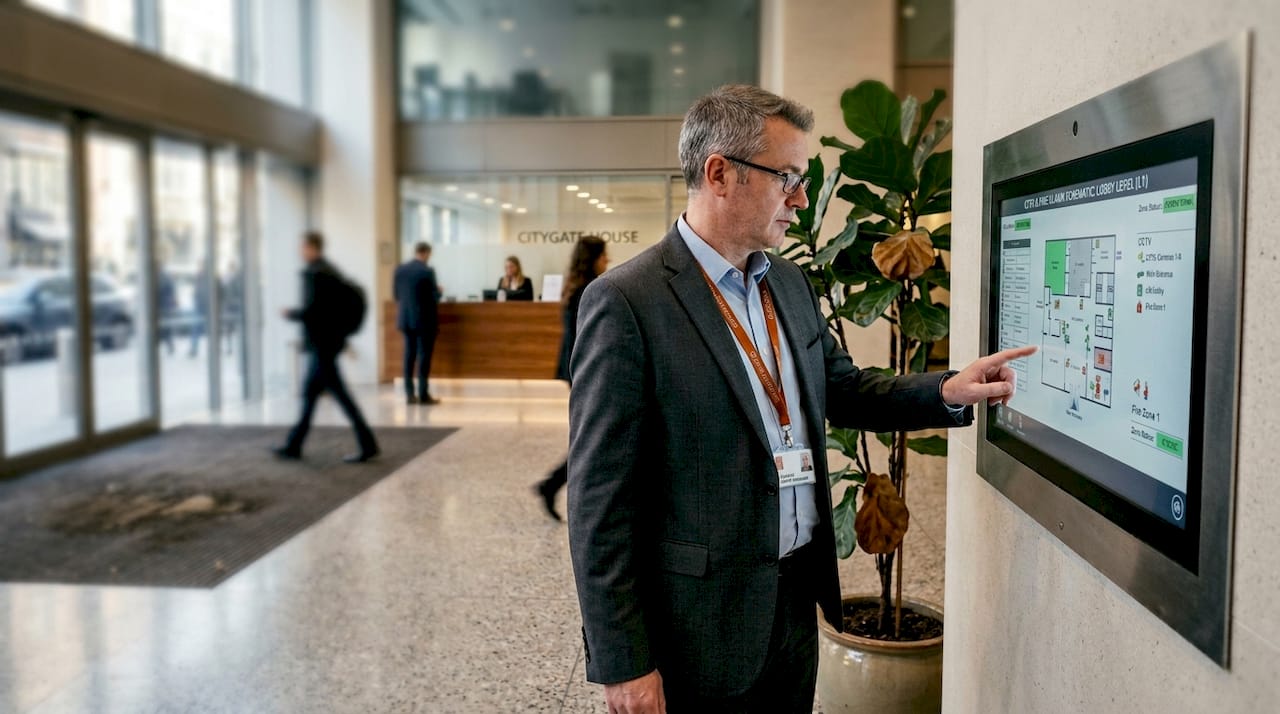
Choosing the right security system for your commercial property in Ireland involves navigating a complex landscape of technologies, regulations, and operational requirements. With workplace safety standards evolving and compliance obligations becoming more stringent, property managers and business owners must understand the full range of available security solutions before making investment decisions. This article explores the main types of security systems used in Irish commercial settings, outlines critical selection criteria, and provides practical comparisons to help you identify the most suitable options for protecting your premises, staff, and assets.
Table of Contents
Key takeaways
Point | Details |
Selection criteria matter | Compliance, budget, scalability, and reliability are essential factors when evaluating commercial security systems. |
Multiple system types exist | Fire alarms, access control, intruder alarms, CCTV, and intercoms each serve distinct security functions. |
Comparative analysis helps | Side-by-side comparisons of costs, features, and maintenance requirements simplify decision-making. |
Expert consultation adds value | Professional guidance ensures tailored solutions that meet your property’s unique risk profile and regulatory obligations. |
Criteria for choosing commercial security systems
Before exploring specific security technologies, you need a structured framework for evaluation. Selecting security systems requires balancing coverage, compliance, budget, and ease of use, so understanding these core criteria helps you prioritise features that matter most for your property.
Compliance with Irish safety regulations forms the foundation of any security decision. Fire safety codes, building regulations, and industry-specific standards dictate minimum requirements for detection, alarm, and emergency response systems. Non-compliance exposes you to legal penalties and insurance complications, making regulatory adherence non-negotiable.
Budget considerations extend beyond initial purchase costs. You must account for installation expenses, ongoing maintenance contracts, monitoring fees, and potential system upgrades. A cheaper upfront investment may cost more over five years if maintenance proves expensive or the system lacks scalability.
Scalability determines whether your security infrastructure can grow with your business. Adding new entry points, expanding camera coverage, or integrating additional buildings should be straightforward without requiring complete system replacement. Choosing the right commercial security partner ensures you select solutions designed for future expansion.
System reliability directly impacts your operational continuity. Frequent false alarms disrupt productivity, whilst undetected genuine threats compromise safety. Look for systems with proven track records in commercial environments similar to yours.
Coverage needs vary by property size, layout, and risk profile. A small office requires different security measures than a multi-storey warehouse or retail centre. Assess your specific vulnerabilities before selecting system types and configurations.
Pro Tip: Create a weighted scoring matrix for your top criteria. Assign importance percentages to compliance, budget, scalability, reliability, and coverage, then score each system option against these factors to make objective comparisons.
Key types of security systems for commercial properties
Commercial properties in Ireland typically deploy five main security system categories, each addressing specific safety and protection requirements. Understanding how these systems function helps you determine which combinations suit your operational needs.
Fire alarm systems provide early fire detection through smoke, heat, and flame sensors connected to audible and visual alert devices. These systems must comply with Irish Building Regulations Part B and BS 5839 standards. Modern fire alarms integrate with building management systems, automatically notifying emergency services and triggering evacuation protocols. They range from conventional systems suitable for smaller buildings to addressable networks that pinpoint exact fire locations in large complexes.
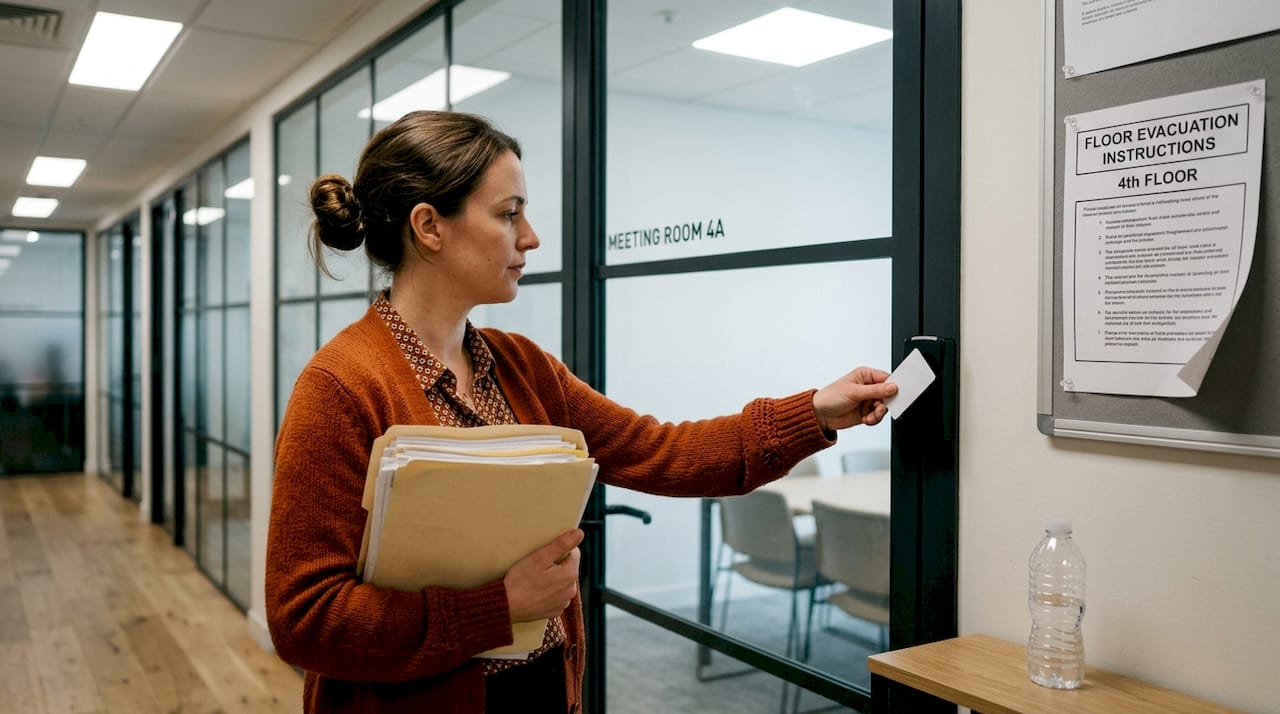
Access control systems regulate entry to buildings and restricted areas using credential-based authentication. Card readers, keypads, biometric scanners, and mobile credentials replace traditional keys, providing detailed audit trails of who accessed which areas at specific times. These systems prevent unauthorised entry, protect sensitive zones, and eliminate costs associated with rekeying locks when staff leave.
Intruder alarm systems detect unauthorised access through motion sensors, door contacts, glass break detectors, and perimeter protection devices. When triggered, these systems activate sirens, strobe lights, and alerts to monitoring centres or designated personnel. Modern intruder alarms offer remote arming and disarming via smartphone apps, reducing false alarms caused by authorised late-night access.
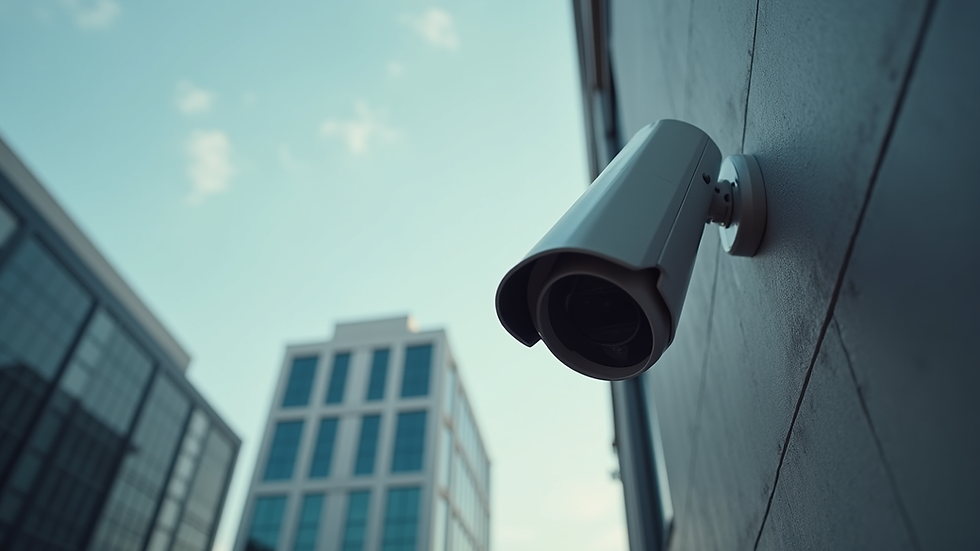
CCTV and video surveillance systems provide continuous monitoring, evidence collection, and deterrence through strategically positioned cameras. IP-based cameras offer high-resolution recording, remote viewing, and intelligent analytics like facial recognition or loitering detection. Cloud storage options eliminate on-site recording equipment whilst ensuring footage remains accessible for investigations.
Intercom and communication systems facilitate visitor management, allowing reception staff to verify identities before granting access. Video intercoms add visual confirmation, whilst integration with access control systems enables remote door release. These systems prove particularly valuable for multi-tenant buildings or facilities with controlled visitor policies.
Comparing security system options for commercial use
Direct comparison of security system types reveals distinct advantages and limitations that influence suitability for different commercial scenarios. Different security solutions offer varying compliance, cost, and operational trade-offs, so examining these factors side by side clarifies which investments deliver optimal value.
System type | Upfront cost | Compliance level | Installation complexity | Integration capability | Maintenance frequency |
Fire alarms | Medium to high | Legally mandated | Moderate to complex | High with BMS | Quarterly testing required |
Access control | Medium | Recommended | Moderate | Excellent with CCTV | Annual service |
Intruder alarms | Low to medium | Industry dependent | Simple to moderate | Good with monitoring | Biannual checks |
CCTV surveillance | Medium to high | Varies by sector | Moderate | Excellent cross-system | Annual maintenance |
Intercom systems | Low to medium | Optional enhancement | Simple | Moderate with access control | Minimal servicing |
Cost structures differ significantly between system types. Fire alarms typically require higher initial investment due to regulatory specifications and professional certification requirements. Intruder alarms offer more budget-friendly entry points, though monitoring service subscriptions add recurring expenses. CCTV costs scale with camera quantity and recording duration, whilst access control pricing depends on credential technology and number of controlled doors.
Compliance adherence varies by system purpose. Fire detection remains legally mandatory for most commercial properties, with specific requirements based on building size, occupancy, and use. Access control and CCTV installation is typically voluntary unless industry regulations or insurance policies mandate them. Understanding your sector’s compliance landscape prevents costly retrofits.
Installation complexity affects project timelines and disruption. Fire alarm installations require careful planning to meet regulatory standards without interfering with business operations. Access control projects involve door hardware modifications and network cabling. CCTV installations need strategic camera positioning and power supply considerations. Simpler intercom systems generally cause minimal operational disruption.
Integration capabilities determine how well systems work together. Modern platforms allow fire alarms to trigger CCTV recording, access control to unlock doors during evacuations, and intruder alarms to activate specific camera views. Unified management interfaces reduce training requirements and improve incident response coordination.
Maintenance needs impact long-term operational costs. Fire alarms require quarterly testing and annual certification by qualified engineers. Access control systems need periodic credential updates and reader calibration. CCTV cameras require cleaning and storage management, whilst intruder sensors need battery replacements and sensitivity adjustments.
Pro Tip: Request total cost of ownership projections spanning five years from potential suppliers. Include installation, maintenance, monitoring, and upgrade costs to compare true long-term expenses rather than focusing solely on purchase prices.
Choosing the right security system for your commercial property
Translating comparative analysis into actionable decisions requires a systematic approach that accounts for your property’s unique characteristics and operational priorities. Consulting specialists ensures tailored security solutions meet unique property demands, but following a structured selection process helps you engage consultants effectively.
Conduct a comprehensive security audit identifying vulnerabilities, high-risk areas, and existing system gaps. Document entry points, valuable asset locations, and zones requiring restricted access.
Define your security objectives clearly. Prioritise goals like regulatory compliance, theft prevention, staff safety, visitor management, or evidence collection for investigations.
Establish realistic budget parameters including capital expenditure limits and acceptable ongoing operational costs. Factor in potential insurance premium reductions that security investments may generate.
Research system options matching your requirements. Compare features, scalability, and supplier reputations. Request demonstrations of systems in similar commercial environments.
Obtain detailed proposals from multiple qualified installers. Evaluate not just pricing but also warranty terms, response times, and maintenance packages.
Verify installer credentials including relevant certifications, insurance coverage, and references from comparable projects. Check membership in professional bodies like the Irish Security Industry Association.
Plan implementation timing to minimise business disruption. Schedule installations during quiet periods or in phases that maintain operational continuity.
Arrange comprehensive staff training on system operation, emergency procedures, and troubleshooting basics. Well-trained users maximise system effectiveness and reduce false alarms.
Matching budget to system complexity requires honest assessment of your actual needs versus aspirational features. A small office may achieve adequate security with basic intruder alarms and a few cameras, whilst a large facility needs integrated systems with central monitoring. Avoid over-engineering solutions that exceed practical requirements.
Future-proofing commercial security means selecting technologies that accommodate growth. Choose systems with expansion capacity, standardised protocols, and active manufacturer support. Cloud-based platforms typically offer better scalability than proprietary closed systems.
Regular security reviews keep your protection measures current. Schedule annual assessments examining system performance, emerging threats, and regulatory changes. Technology advances rapidly, so periodic upgrades may deliver significant improvements in capability and cost-effectiveness.
Commercial security best practices emphasise layered protection combining multiple system types. Fire alarms address life safety, access control manages authorised entry, intruder alarms detect breaches, and CCTV provides verification and evidence. Integrated systems deliver greater protection than isolated solutions.
Pro Tip: Create a security system roadmap spanning three to five years. Document planned expansions, technology refresh cycles, and budget allocations. This strategic approach prevents reactive purchases and ensures security investments align with broader business growth.
Secure your commercial property with Signal Fire & Security
Protecting your commercial premises requires expertise, quality equipment, and reliable installation. Signal Fire & Security delivers comprehensive security solutions tailored to Irish business requirements, ensuring your property meets compliance standards whilst providing effective protection.
Our fire alarm system installations comply fully with Irish Building Regulations and industry standards, providing early fire detection that safeguards lives and assets. We design, install, and maintain systems suited to your building’s specific layout and occupancy profile.
Access control installations from Signal Fire & Security regulate entry to your premises with modern credential technologies, detailed access logging, and seamless integration with other security systems. We configure solutions matching your operational workflows and security policies.
Our intruder alarm installs provide reliable detection and deterrence, with professional monitoring options ensuring rapid response to genuine threats whilst minimising false alarms through careful system design and commissioning.
Contact Signal Fire & Security today to discuss your commercial security requirements and receive expert guidance on the optimal system configuration for your property.
FAQ
What are the legal requirements for commercial fire alarms in Ireland?
Irish law mandates fire detection systems compliant with Building Regulations Part B for most commercial premises. Systems must be designed, installed, and maintained according to BS 5839 standards, with regular testing documented in logbooks. Fire safety certificates require approved fire alarm systems before occupation, and annual servicing by competent engineers ensures ongoing compliance.
How often should commercial security systems be serviced?
Regular maintenance is critical for system performance and compliance, with fire alarms requiring quarterly testing and annual certification. Access control and intruder alarm systems typically need annual servicing, whilst CCTV systems benefit from biannual maintenance including camera cleaning and storage checks. High-traffic or critical security installations may require more frequent inspections to maintain reliability.
Can I integrate different security systems for better coverage?
Integrating security systems enhances coverage and management simplicity by allowing fire alarms, access control, CCTV, and intruder detection to work together. Unified platforms enable coordinated responses like automatically unlocking doors during fire evacuations or triggering camera recording when intruder alarms activate. Integration reduces training requirements and improves incident response effectiveness through centralised monitoring.
What factors determine the cost of commercial security systems?
System costs depend on property size, number of protected zones, equipment quality, and integration complexity. Fire alarm expenses reflect regulatory requirements and certification needs, whilst CCTV costs scale with camera quantity and recording duration. Access control pricing varies by credential technology and controlled entry points. Installation labour, ongoing monitoring subscriptions, and maintenance contracts add to total ownership costs over the system’s lifespan.
How long does it take to install commercial security systems?
Installation timelines vary by system complexity and property size. Basic intruder alarm installations may complete within one to two days, whilst comprehensive fire alarm systems in large buildings can require several weeks. Access control projects involving multiple doors and integration with existing infrastructure typically need one to two weeks. CCTV installations depend on camera quantity and cabling requirements. Phased implementations minimise business disruption by completing work in stages.
Recommended


Comments