
Fire Alarm System Basics: 30% Faster Evacuations in 2026


Failure to maintain fire alarm systems contributed to over 40% of fire incidents in Irish commercial buildings. Understanding fire alarm systems is not optional for facility managers. It is critical for compliance and workplace safety. This guide covers components, regulations, misconceptions, and maintenance to equip you with the knowledge needed to protect your facility and occupants.
Table of Contents
Key Takeaways
Point | Details |
Compliance Standard | Irish commercial fire alarms must comply with EN54 under Building Regulations Part B. |
System Layers | Fire alarm systems consist of detection, control, and notification layers working together. |
Maintenance Priority | Regular maintenance and correct detector type selection prevent false alarms and system failure. |
Integration Benefit | Integrated fire alarm systems improve evacuation times by 30%. |
System Selection | Understanding system types helps select the best solution for different commercial needs. |
Introduction to Fire Alarm Systems
Fire alarm systems are integrated setups designed to detect fires and alert occupants immediately. Early detection reduces injury, minimises property damage, and saves lives. In commercial environments, the stakes are higher because of the number of people at risk and the potential for business disruption.
The Irish legal framework mandates effective fire alarm systems in commercial buildings. Compliance with Building Regulations Part B ensures your facility meets safety standards and avoids penalties. Beyond legal obligations, protecting your employees and visitors is a fundamental responsibility.
Fire alarm systems operate through three conceptual layers. The detection layer identifies fire signs using various sensor types. The control layer processes signals and determines the appropriate response. The notification layer alerts occupants through audible and visual devices. Understanding these layers helps you appreciate how each component contributes to overall system effectiveness.
Main components include:
Detectors that sense smoke, heat, or flames
Control panels that process alarm signals
Notification devices like sirens and strobes
Power supplies with backup batteries
Understanding Fire Alarm System Components
Detectors are your first line of defence. Photoelectric smoke detectors use light scattering to identify smoldering fires, making them ideal for hallways and bedrooms. Ionization smoke detectors detect electrical changes from smoke particles, responding faster to flaming fires. Heat detectors respond to temperature rises or fixed thresholds, suitable for kitchens and dusty environments where smoke detectors trigger false alarms.
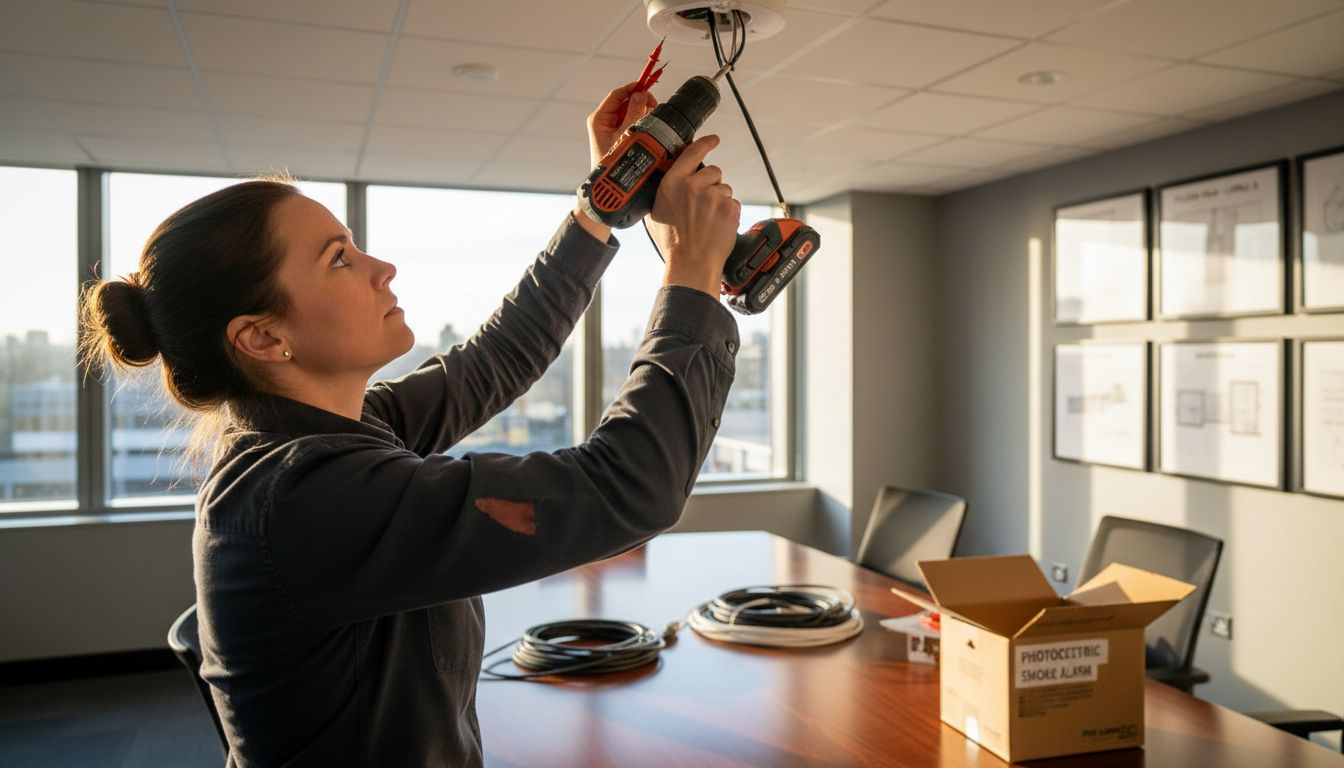
Control panels serve as the system’s brain. They interpret signals from detectors, determine alarm conditions, and activate notification devices. Modern panels display specific detector locations, helping you identify fire zones quickly during emergencies.
Notification devices ensure occupants receive alerts. Sirens provide audible warnings, while strobes offer visual alerts for hearing-impaired individuals. Voice alert systems deliver clear instructions, reducing panic and improving evacuation coordination. Selecting correct notification device type and placement is essential to ensure alarm audibility and visual alerting for rapid occupant response.
Power supplies maintain system operation during electrical failures. Backup batteries automatically engage when mains power cuts, ensuring continuous protection. Regular battery testing prevents unexpected failures during critical moments.
Pro Tip: Consult with a Security Company Dublin expert to assess your building layout and determine optimal placement for notification devices, ensuring every zone receives adequate coverage.
Understanding fire alarm system components helps you make informed decisions about upgrades and maintenance. When you know what each part does, you can better evaluate professional fire alarm services and ensure your system meets your facility’s specific needs.
Regulatory Requirements for Fire Alarm Systems in Ireland
The Irish Building Regulations Part B require fire detection and alarm systems to comply with harmonised European standard EN54, ensuring reliability and interoperability. This standard covers everything from detector sensitivity to control panel functionality. Compliance is not optional. It is a legal requirement for commercial buildings.
EN54 ensures component interoperability. When all parts meet the same standard, they work together seamlessly. This prevents compatibility issues that could compromise system effectiveness during emergencies.
Irish law mandates regular inspection and maintenance. Annual inspections by certified professionals verify system functionality and identify potential issues before they become critical. Documentation of these inspections demonstrates compliance during regulatory audits.
Commissioning by certified professionals is legally required. Only qualified technicians should install and configure fire alarm systems. Proper commissioning ensures every detector, panel, and notification device operates correctly from day one. Understanding fire alarm installation regulations helps you select qualified contractors and verify their work meets legal standards.
Monitoring services add another layer of protection. Fire alarm system monitoring connects your system to a central station that responds immediately to alarms. This ensures help arrives even when your building is unoccupied.
Facility managers must understand Irish fire safety regulations to maintain compliance and protect occupants. The Irish Building Regulations Part B provides detailed requirements for fire detection and alarm systems in commercial buildings.
Fire Detection Mechanisms in Alarm Systems
Photoelectric smoke detectors shine a light beam inside a chamber. When smoke enters, it scatters the light onto a sensor, triggering the alarm. These detectors excel at identifying smoldering fires that produce visible smoke before flames appear.
Ionization smoke detectors contain a small amount of radioactive material that ionizes air molecules. Smoke particles disrupt this ionization, changing the electrical current and triggering the alarm. These detectors respond faster to flaming fires with smaller smoke particles.
Heat detectors monitor temperature changes. Rate of rise detectors trigger when temperature increases rapidly. Fixed temperature detectors activate when a specific threshold is reached. These work well in environments where smoke detectors would false alarm.
Control panels process signals using predefined thresholds. Single detector activation might trigger investigation mode, while multiple detectors in the same zone initiate full evacuation protocols. This intelligence reduces false alarms while ensuring genuine fires receive immediate response.
Several factors influence detector choice:
Environmental conditions like dust, humidity, or cooking fumes
Fire type most likely in each zone
False alarm risk based on normal activities
Response speed requirements for different areas
Occupant density and evacuation time needs
Common Misconceptions About Fire Alarm Systems
Many facility managers believe all smoke detectors work the same way. This misconception leads to improper detector selection and increased false alarms. Different detector types must match environments to prevent false alarms and ensure early detection.
Another common myth suggests fire alarms prevent fires. They do not. Fire alarms detect fires early and alert occupants, giving everyone time to evacuate safely. Prevention requires different measures like proper storage of flammable materials and regular equipment maintenance.
Some assume maintenance is only necessary after problems occur. This reactive approach violates legal requirements and risks system failure during emergencies. Scheduled maintenance identifies issues before they compromise protection.
Pro Tip: Consult fire safety experts to select detector types matched to specific commercial environments, preventing false alarms and ensuring reliable early detection.
Understanding fire alarm system facts helps you avoid costly mistakes. The right smoke detector types for each zone reduce false alarms and improve genuine fire detection.
Comparison of Fire Alarm System Types
Conventional systems divide buildings into zones. When a detector activates, the control panel indicates which zone triggered the alarm. These systems cost less upfront and work well for small premises with simple layouts. Installation is straightforward, and technicians require less specialised training.
Addressable systems assign unique identifiers to each detector. The control panel displays the exact device location during alarms, enabling faster response. These systems suit large or multi-zone buildings where pinpoint accuracy matters.
Feature | Conventional Systems | Addressable Systems |
Cost | Lower initial investment | Higher upfront cost |
Detection Precision | Zone level only | Individual device level |
Scalability | Limited expansion options | Easily expandable |
Fault Detection | Zone indication only | Specific device identification |
Maintenance | More time intensive | Easier troubleshooting |
Best For | Small buildings | Large or complex facilities |
Addressable systems offer superior fault detection. When a detector malfunctions, the panel identifies it immediately. You can schedule repairs without waiting for the next inspection. Conventional systems require manual testing of every detector in a zone to locate faults.
Scalability matters for growing businesses. Addressable systems accommodate expansion without complete rewiring. Adding new zones or devices requires minimal infrastructure changes.
Maintenance ease affects long term costs. Addressable systems reduce troubleshooting time because the panel identifies problem devices. Conventional systems require more labour hours to diagnose issues.
Compliance benefits favour addressable systems in complex buildings. Detailed reporting capabilities simplify regulatory audits. You can demonstrate specific device testing and maintenance history.
Evaluate your building size, budget, and future expansion plans when selecting between fire alarm system comparison options. Small facilities might prefer conventional systems, while large commercial buildings benefit from addressable technology.
Maintenance and Testing Protocols
Annual inspections are mandatory under Irish regulations. Certified professionals must test every detector, verify control panel operation, and confirm notification device functionality. These inspections ensure your system operates correctly when needed most.
Regular maintenance tasks keep systems reliable:
Replace backup batteries according to manufacturer specifications
Clean detector sensors to prevent false alarms
Test notification devices for proper volume and visibility
Verify control panel displays and indicators
Check wiring connections for corrosion or damage
Documentation proves compliance. Keep detailed records of all inspections, tests, and repairs. Include dates, technician names, specific devices tested, and any issues found. These records protect you during regulatory audits and insurance claims.
Establishing a maintenance schedule requires several steps:
Identify inspection and testing requirements from regulations and manufacturer specifications
Select qualified professionals with relevant certifications for your system type
Schedule annual inspections at least 30 days before expiry of previous certification
Implement monthly internal checks of control panel indicators and backup power
Create a response protocol for alarm activations and system faults
Review maintenance records quarterly to identify recurring issues
Pro Tip: Integrate maintenance reminders with facility management software to avoid lapses that could compromise compliance and safety.
Understanding maintenance protocols helps you budget appropriately and schedule work without disrupting operations. Regular alarm system inspection prevents small issues from becoming critical failures.
Following maintenance best practices extends system lifespan and ensures reliable operation. Professional maintenance identifies wear patterns and recommends upgrades before equipment fails.
Fire Alarm Systems and Workplace Safety Outcomes
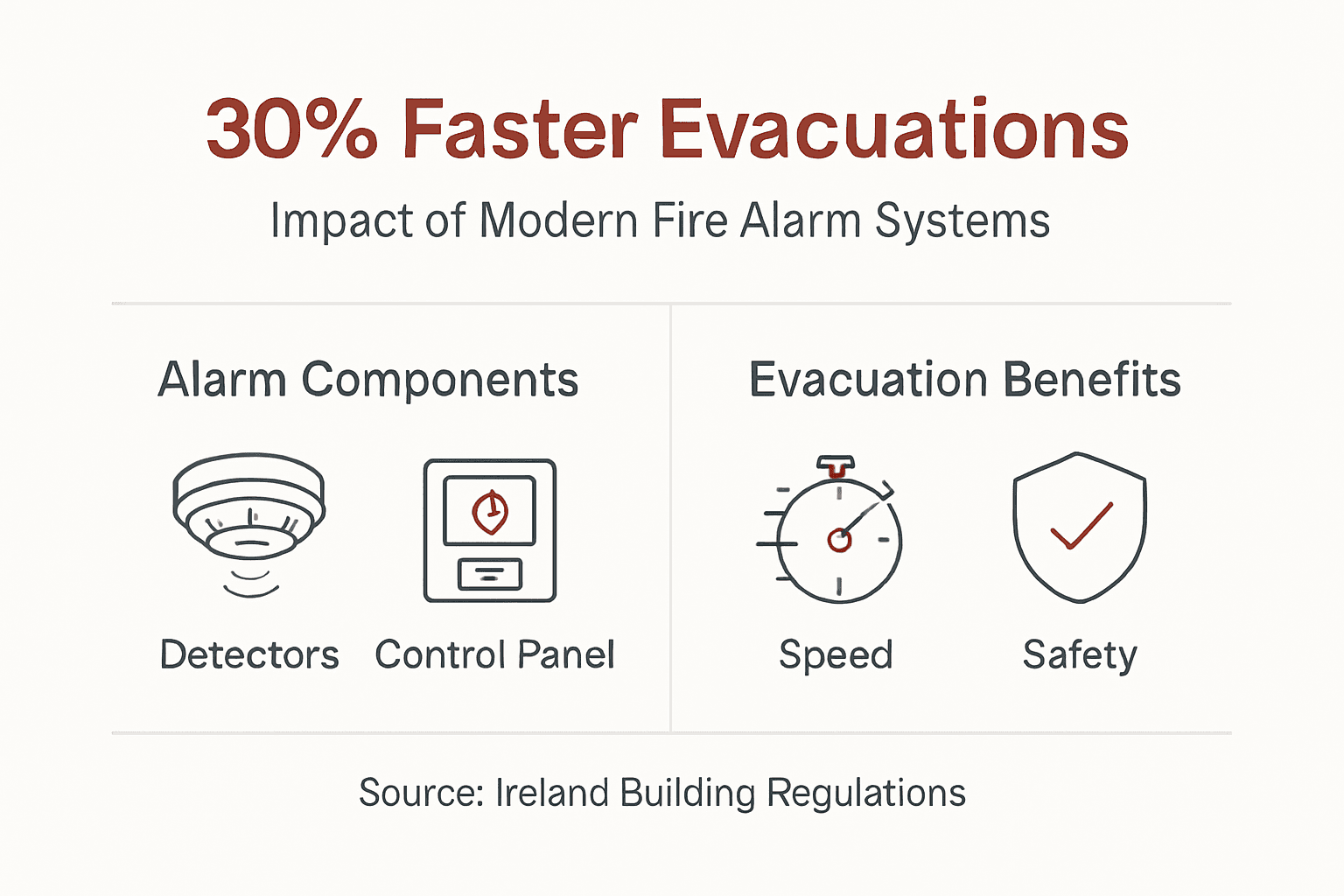
Fire alarm systems integrated with emergency lighting and evacuation protocols achieve a 30% faster evacuation rate compared to systems without integration. This improvement directly reduces injury risk during emergencies. Integration coordinates multiple safety systems, creating a comprehensive response to fire threats.
Well maintained alarms reduce false alarm frequency. Fewer false alarms mean occupants take real alarms seriously. This psychological factor significantly impacts evacuation compliance. False alarm fatigue causes dangerous delays when genuine emergencies occur.
Proper notification device placement maximises occupant alerting. Strategic positioning ensures sirens reach acceptable decibel levels in all occupied areas. Strobes must be visible from multiple angles, accounting for building layout and potential obstructions.
Statistics demonstrate measurable benefits. Buildings with properly maintained fire alarm systems experience fewer injuries and less property damage per incident. Early detection provides critical extra minutes for evacuation and fire service response.
Expert insights emphasise system integration importance. Coordinating fire alarms with access control systems enables automatic door release during evacuations. Integration with HVAC systems can contain smoke spread, protecting evacuation routes.
Fire alarm integration with building management systems creates comprehensive safety protocols. The alarm system integration impact extends beyond fire detection to overall emergency preparedness.
Enhance Your Fire Safety with Signal Fire & Security
Your facility deserves expert protection. Signal Fire & Security specialises in fire alarm system installation tailored to Irish commercial buildings. Our certified technicians ensure compliance with Building Regulations Part B and EN54 standards from initial design through commissioning.
We offer comprehensive fire alarm installation in Dublin with ongoing maintenance programs that prevent system failures. Our fire alarm monitoring services provide 24/7 protection with immediate emergency response coordination. Facility managers trust us to assess their unique requirements and recommend solutions that balance protection, compliance, and budget. Contact us today for a tailored fire safety consultation.
Frequently Asked Questions About Fire Alarm Systems
What are the mandatory inspection intervals for commercial fire alarms in Ireland?
Irish regulations require annual inspections by certified professionals. These inspections must verify detector functionality, control panel operation, notification device performance, and backup power systems. Maintain detailed documentation to demonstrate compliance during audits.
How do I choose the right smoke detector for different areas of my building?
Match detector types to environmental conditions and fire risks. Photoelectric detectors suit areas prone to smoldering fires like offices. Ionization detectors work better where flaming fires are likely. Heat detectors prevent false alarms in kitchens and dusty environments where smoke detectors would trigger unnecessarily.
Can fire alarms be integrated with other building safety systems?
Yes, modern addressable systems integrate with emergency lighting, access control, and HVAC systems. Integration improves evacuation coordination and can contain smoke spread. Proper integration achieves 30% faster evacuation times compared to standalone systems.
What should I do if my fire alarm system triggers frequent false alarms?
Frequent false alarms indicate detector placement or type mismatch with environmental conditions. Schedule a professional assessment to identify causes. Common solutions include relocating detectors, switching to different detector types, or adjusting sensitivity settings. Never disable detectors to stop false alarms.
Are there penalties for non-compliance with fire alarm maintenance regulations?
Yes, non-compliance can result in significant fines, insurance claim denials, and legal liability if injuries occur. Regulatory authorities conduct audits and can order facility closures until compliance is achieved. Regular maintenance and documentation protect you from these consequences.
Recommended



Comments