
CCTV surveillance for commercial security in Ireland


Facilities using professionally installed CCTV systems experience up to 67% fewer break-ins compared to unmonitored premises. Despite this, many facility managers across Ireland misunderstand how to deploy CCTV surveillance effectively, leading to gaps in coverage, legal compliance issues, and wasted investment. This guide clarifies CCTV technology, Irish legal requirements, system design strategies, and proven security benefits to help you protect your commercial property confidently.
Table of Contents
Key takeaways
Point | Details |
CCTV reduces commercial crime | Properly designed systems deter theft, vandalism, and unauthorised access by up to 67% in Irish facilities. |
Legal compliance is mandatory | Irish CCTV operators must follow GDPR and Data Protection Act 2018 to avoid penalties and ensure footage admissibility. |
IP cameras dominate commercial use | Digital IP systems account for over 70% of commercial deployments, offering superior remote access and scalability. |
Integration enhances effectiveness | Combining CCTV with alarms and access control improves incident detection and response times by approximately 35%. |
System design requires planning | Risk assessments, strategic camera placement, and ongoing maintenance maximise security and operational value. |
Introduction to CCTV surveillance
CCTV surveillance refers to closed-circuit television systems that monitor, record, and transmit video footage to designated receivers for security purposes. Unlike broadcast television, CCTV signals remain private, accessible only to authorised personnel. This technology serves as a cornerstone of commercial security strategies, protecting assets, employees, and customers whilst providing critical evidence during investigations.
The origins of CCTV trace back to 1942 Germany, where engineers used rudimentary systems to monitor rocket launches. By the 1970s, British police adopted CCTV for public safety, and commercial applications expanded rapidly throughout the 1990s. Today, CCTV technology has evolved from grainy analogue recordings to high-definition digital systems with intelligent analytics, facial recognition, and cloud storage capabilities.
Ireland has witnessed substantial growth in commercial CCTV adoption over the past decade. Facility managers increasingly recognise that visible surveillance acts as both deterrent and investigative tool. Urban centres like Dublin, Cork, and Galway report higher installation rates, driven by rising property crime and insurance incentives. Modern systems integrate seamlessly with existing security infrastructure, creating layered defence strategies.
CCTV systems operate through interconnected components:
Cameras capture video footage continuously or on motion detection triggers
Recording devices store footage locally or transmit to cloud servers
Monitors display live feeds for real-time observation by security personnel
Network infrastructure connects components, enabling remote access via internet protocols
Understanding these fundamentals helps facility managers make informed decisions about system specifications, coverage requirements, and integration opportunities.
How CCTV surveillance works: technology and mechanisms
Analogue CCTV systems transmit video signals through coaxial cables to digital video recorders. These traditional setups offer simplicity and lower initial costs but suffer from limited resolution, difficult scalability, and lack of remote access. Analogue cameras typically max out at 960H resolution, producing adequate but not exceptional image quality for identification purposes.
Digital IP CCTV systems represent the current industry standard. These cameras convert video into data packets transmitted over ethernet networks or wirelessly. Digital IP CCTV systems account for over 70% of commercial deployments globally, driven by superior capabilities. IP cameras deliver resolutions from 1080p to 4K, ensuring clear facial recognition and licence plate reading even at distance.
IP camera advantages for commercial facilities include:
Scalability without complex cabling infrastructure changes
Remote viewing through secure web portals and mobile applications
Advanced analytics like motion detection zones and behavioural analysis
Power over Ethernet technology reduces installation complexity
Cloud storage options eliminate local hardware vulnerabilities
Real-time viewing capabilities transform CCTV from passive recording to active monitoring. Facility managers receive instant alerts when cameras detect unusual activity, enabling rapid response before incidents escalate. Secure remote access allows authorised personnel to check premises from anywhere, improving operational flexibility without compromising data security.
Pro Tip: When upgrading from analogue to IP systems, consider hybrid solutions that support both camera types during transition periods, protecting your existing investment whilst adding advanced features incrementally.
Technology upgrades continually enhance monitoring effectiveness. Artificial intelligence now enables cameras to distinguish between humans, vehicles, and animals, reducing false alarms. Night vision improvements using infrared and starlight sensors maintain clear footage in complete darkness. Weatherproof housings and vandal-resistant designs ensure reliability in harsh Irish climates.
Security benefits and crime deterrence impact
CCTV surveillance operates on deterrence theory principles. Visible cameras signal to potential offenders that their actions face observation and recording, increasing perceived risk of apprehension. Rational criminals typically avoid targets with obvious surveillance, redirecting efforts toward easier opportunities. This psychological barrier reduces incidents before they occur.
Statistical evidence confirms CCTV’s crime reduction impact:
Commercial premises with monitored CCTV report 51% fewer burglaries annually
Employee theft incidents decrease by 43% after installation in retail environments
Vandalism and property damage claims drop by 38% within the first year
Parking areas with surveillance experience 62% fewer vehicle break-ins
Integrating CCTV with security guards and other systems multiplies effectiveness. Guards focus attention where cameras detect suspicious activity rather than conducting random patrols. This targeted approach improves coverage efficiency and response speed. Crime reduction with CCTV in Ireland demonstrates measurable improvements across retail, office, and industrial facilities.
CCTV supports faster incident detection through continuous monitoring. Unlike periodic security rounds, cameras never miss activity during shift changes or breaks. Motion-triggered alerts notify security teams immediately, enabling intervention whilst incidents unfold rather than discovering evidence hours later during reviews.
“CCTV surveillance doesn’t just record crime; it prevents crime by creating environments where offenders recognise they cannot operate undetected. The mere presence of cameras fundamentally alters risk calculations.”
Beyond crime prevention, CCTV assists investigations by providing timestamped visual evidence. Police rely on footage to identify suspects, establish timelines, and corroborate witness statements. Insurance companies process claims faster when video evidence documents incidents clearly, reducing disputes and settlement delays.
Legal framework and compliance requirements in Ireland
Irish CCTV surveillance operates within strict legal boundaries established by the Data Protection Act 2018 and General Data Protection Regulation. These laws classify recorded footage as personal data when it captures identifiable individuals, triggering specific operator obligations. Facility managers must understand compliance requirements to avoid penalties reaching €20 million or 4% of annual turnover.
Key responsibilities for CCTV operators include:
Establish lawful basis for processing, typically legitimate interests in protecting property and people
Conduct data protection impact assessments before installing systems in sensitive areas
Implement data minimisation by recording only necessary locations and retaining footage for limited periods
Ensure data security through encryption, access controls, and secure storage solutions
Respect data subject rights including access requests and erasure in specific circumstances
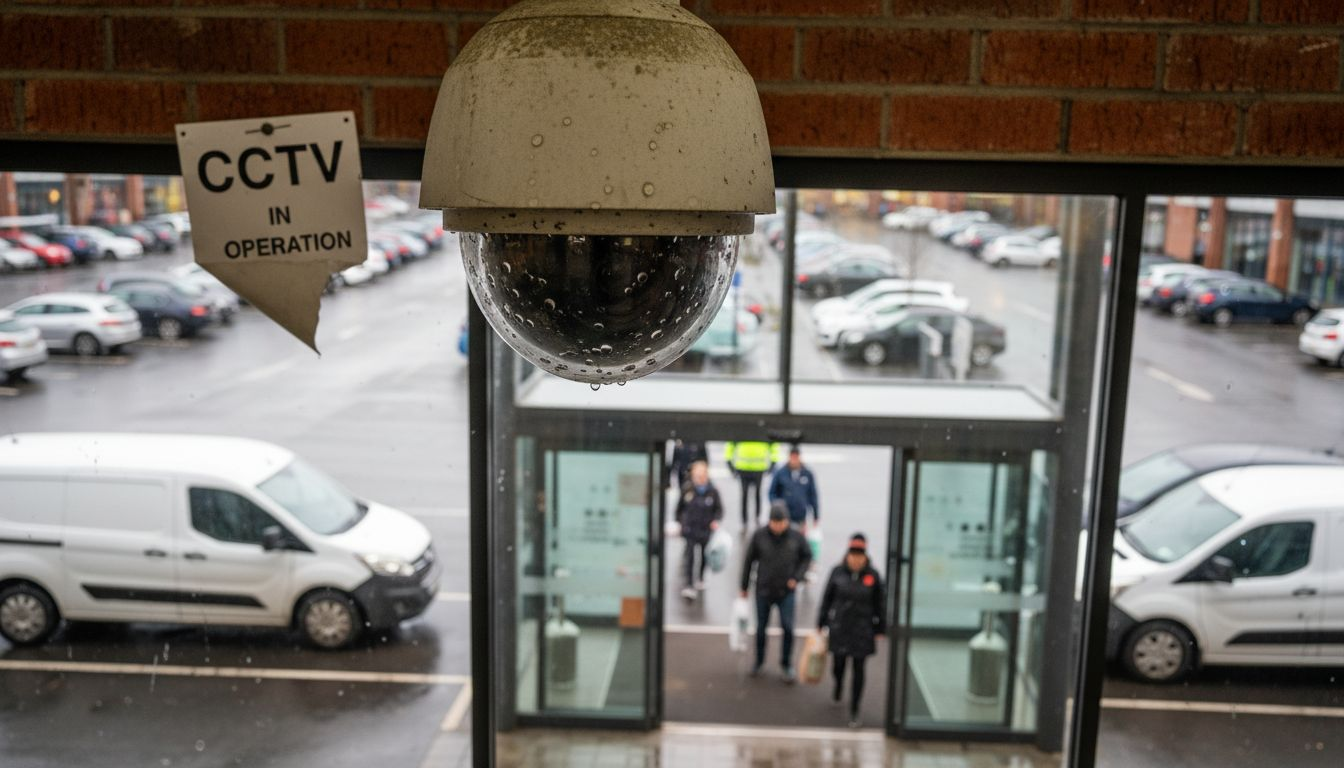
Maintain transparent operations with visible signage informing people about surveillance
Visible signage requirements mandate clear notices at entry points stating CCTV operates on premises, identifying the data controller, and providing contact details for enquiries. Signs must be readable from normal approach distances, typically 2 metres minimum. Covert surveillance requires exceptional justification and legal consultation, rarely appropriate for standard commercial security.
Footage admissibility as evidence depends on lawful collection and chain of custody documentation. Courts reject improperly obtained recordings, rendering them worthless for prosecutions or civil claims. Security essentials Ireland 2026 emphasises compliance as foundational to effective security strategies. CCTV legal compliance Ireland provides detailed guidance on meeting regulatory standards.
Data retention periods typically range from 7 to 31 days for general surveillance, balancing investigative needs against privacy principles. Longer retention requires specific justification documented in your data protection policy. Automatic deletion schedules prevent accidental over-retention and demonstrate compliance commitment.
Types of CCTV systems and features for commercial use
Selecting appropriate camera types depends on coverage requirements, environmental conditions, and monitoring objectives. Dome cameras feature vandal-resistant housings ideal for indoor areas like reception lobbies and retail floors. Their compact, unobtrusive design blends into ceilings whilst the smoked cover conceals lens direction, creating uncertainty about exactly what the camera monitors.
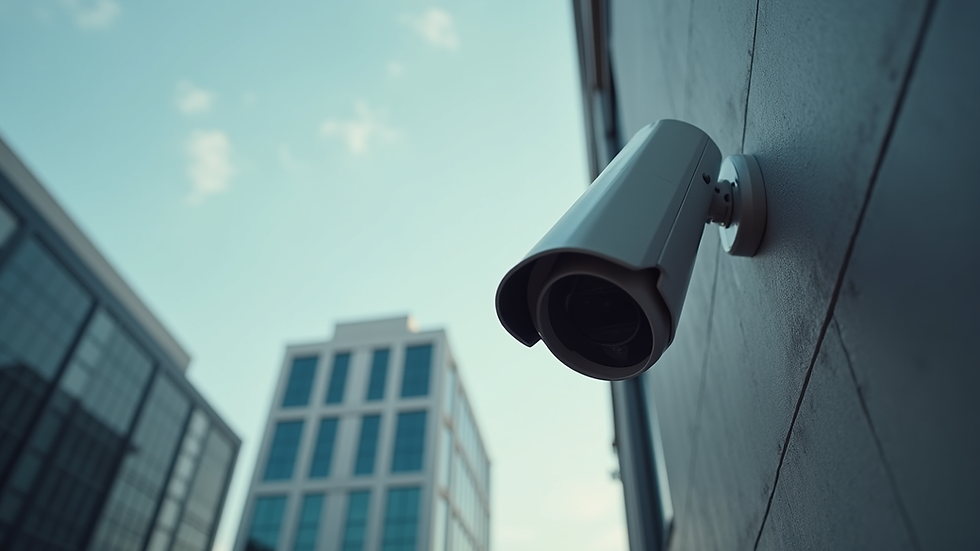
Bullet cameras provide focused coverage of specific zones like entrance doors, loading bays, and perimeter fences. Their visible, directional design acts as overt deterrent whilst delivering excellent long-range clarity. Weatherproof models withstand Irish rain and wind, maintaining reliable operation year-round. Infrared capabilities ensure night-time monitoring without additional lighting.
PTZ (pan-tilt-zoom) cameras offer dynamic coverage across wide areas. Operators remotely control camera movement, following subjects or investigating alerts. Preset patrol patterns automate monitoring, cycling through programmed positions. PTZ units suit large spaces like warehouses and car parks where single fixed cameras cannot capture adequate detail.
Camera Type | Best For | Key Advantages | Limitations |
Dome | Indoor public areas | Discreet, vandal-resistant, wide angle | Limited range, harder to redirect |
Bullet | Outdoor perimeters | Weather-proof, visible deterrent, long range | Obvious monitoring direction |
PTZ | Large open spaces | Flexible coverage, operator control, zoom capability | Higher cost, requires active monitoring |
Wired systems transmit power and data through physical cables, ensuring stable connections unaffected by wireless interference. Installation requires more labour but delivers superior reliability for mission-critical applications. Wireless systems offer flexibility in historic buildings or temporary installations where cabling proves impractical. However, wireless signals face interference from other devices and physical obstacles, potentially creating coverage gaps.
Scalability considerations become critical as facilities expand. IP-based systems add cameras by connecting to existing network infrastructure, avoiding complete rewiring. Cloud-based management platforms centralise control across multiple sites, ideal for organisations managing distributed properties. Choose systems supporting future expansion without requiring complete replacement.
Designing and implementing effective CCTV surveillance
Thorough risk assessments identify vulnerabilities requiring surveillance coverage. Walk your premises systematically, noting entry points, high-value asset locations, isolated areas, and previous incident hotspots. Consider both external threats like break-ins and internal risks such as unauthorised access to restricted zones. This analysis determines camera quantity, placement, and specifications.
Camera placement strategies maximise coverage whilst avoiding blind spots:
Position cameras at all entry and exit points, capturing faces at optimal angles
Cover cash handling areas, inventory storage, and equipment rooms with overlapping fields of view
Monitor perimeter fences and parking areas to detect approach before building access
Install cameras at heights preventing tampering whilst maintaining clear sightlines
Test camera angles during daylight and darkness to verify image quality and coverage
Account for lighting conditions, using cameras with wide dynamic range for challenging environments
Integration of CCTV with alarm systems and access control improves security incident detection and response times by approximately 35%. When alarms trigger, CCTV automatically focuses on affected zones, providing visual verification before dispatching guards or emergency services. Access control systems link with cameras to record everyone entering secure areas, creating audit trails and deterring unauthorised entry attempts.
CCTV system advantages Ireland details integration benefits across commercial applications. Camera installation workflow outlines professional deployment processes ensuring optimal performance. Professional CCTV installation by experienced technicians prevents common mistakes that compromise effectiveness.
Pro Tip: Schedule quarterly maintenance checks including lens cleaning, cable inspections, and recording verification to maintain system reliability and ensure footage remains admissible as evidence.
Training security personnel on system operation maximises investment value. Staff must understand how to retrieve footage, respond to alerts, and document incidents properly. Regular drills reinforce protocols, ensuring smooth coordination during actual emergencies. Maintenance schedules should include firmware updates addressing security vulnerabilities and adding new features.
Common misconceptions about CCTV surveillance
Many facility managers mistakenly believe installing CCTV alone guarantees complete security. Whilst surveillance significantly enhances protection, criminals adapt tactics including disguises, disabling equipment, or exploiting coverage gaps. Effective security requires layered approaches combining CCTV with physical barriers, access control, lighting, and human monitoring. No single technology provides absolute protection.
Wireless CCTV systems appear attractive due to installation simplicity but introduce vulnerabilities absent in wired alternatives:
Signal interference from other wireless devices degrades video quality or causes dropouts
Hackers target wireless networks more easily than physically secured wired systems
Battery-powered cameras require frequent maintenance and suffer weather-related failures
Bandwidth limitations restrict simultaneous camera counts and resolution quality
Another prevalent misconception treats GDPR compliance as optional or overly burdensome. Facilities operating non-compliant CCTV face substantial penalties plus inability to use footage as evidence. Courts exclude improperly obtained recordings, rendering expensive systems worthless for prosecutions. Compliance protects both legal interests and public trust.
Some managers assume CCTV eliminates need for security guards or active monitoring. Cameras record incidents but cannot physically intervene or make judgment calls requiring human assessment. Combining CCTV with trained personnel creates synergy where technology extends human capabilities rather than replacing them. Guards respond to camera alerts faster and more effectively than discovering issues through patrols.
Realistic expectations recognise CCTV as powerful tool within comprehensive security strategies rather than standalone solution. Proper implementation, ongoing maintenance, and integration with complementary measures deliver optimal protection for commercial facilities.
Conclusion: enhancing commercial security with CCTV surveillance
CCTV surveillance provides measurable crime deterrence, rapid incident detection, and crucial evidence collection when designed and operated properly. Irish facility managers must balance technological capabilities with legal compliance requirements under GDPR and Data Protection Act 2018. Selecting appropriate camera types, strategic placement based on risk assessments, and integration with alarms and access control maximise security effectiveness. Regular maintenance and staff training ensure systems deliver reliable long-term protection, justifying investment through reduced losses and improved operational safety.
Enhance your facility security with Signal Fire & Security
Protecting your commercial premises requires expertise beyond equipment selection. Signal Fire & Security specialises in designing CCTV systems tailored to Irish facility challenges, ensuring comprehensive coverage without blind spots.

Our CCTV systems installation services deliver professional deployment meeting all legal requirements. We integrate surveillance with access control installation and alarm systems, creating unified security platforms that enhance detection and response capabilities. Our security monitoring services provide 24/7 oversight, ensuring rapid intervention when incidents occur. From initial risk assessment through ongoing maintenance, we partner with facility managers across Dublin and Ireland to implement compliant, effective surveillance solutions that protect people, property, and assets.
Frequently asked questions
What is the legal basis for CCTV surveillance under Irish law?
Irish CCTV operations must comply with GDPR and Data Protection Act 2018, establishing lawful processing purposes like legitimate interests in protecting property. Operators must conduct impact assessments, minimise data collection, ensure security measures, and respect data subject rights. Business security essentials Ireland provides comprehensive compliance guidance for facility managers.
How do I choose the right CCTV camera types for my facility?
Conduct thorough risk assessments identifying vulnerable areas, then match camera specifications to environmental conditions and coverage requirements. Dome cameras suit indoor public spaces, bullet cameras excel at outdoor perimeters, and PTZ units cover large open areas dynamically. Choosing CCTV cameras details selection criteria for Irish commercial applications.
Can CCTV alone guarantee my facility’s security?
No single technology provides absolute security guarantees. CCTV significantly improves protection but works most effectively when integrated with alarm systems, access control, physical barriers, and trained security personnel. Layered security approaches address vulnerabilities that isolated systems cannot eliminate, ensuring comprehensive protection.
What are best practices for installing CCTV to avoid legal issues?
Conduct data protection impact assessments before installation, implement visible signage informing people about surveillance, and establish secure data management procedures including retention schedules and access controls. Professional installation following CCTV installation workflow Ireland standards ensures compliance with Irish regulations whilst maximising operational effectiveness.
Recommended


Comments