
Why intruder alarms protect Irish businesses in 2026


Business break-ins dropped across all Garda regions in 2025, yet commercial properties remain vulnerable targets. Intruder alarm systems provide critical layers of deterrence, rapid response, and insurance compliance that no business can afford to ignore. This guide explores why alarms remain essential, how they protect your assets, and what you need to know about choosing and installing the right system for your commercial property.
Table of Contents
Key takeaways
Point | Details |
Crime deterrence | Visible alarm systems actively discourage intruders from targeting your premises. |
Rapid response | Instant alerts enable immediate action, minimising potential property loss and damage. |
Insurance benefits | Many insurers reduce premiums for businesses with verified, professionally monitored alarm systems. |
System integration | Modern alarms work seamlessly with CCTV and access controls for comprehensive security. |
Why intruder alarms remain critical despite crime reductions
Recorded crime incidents related to burglary, theft, robbery, and property damage fell across all Garda regions in the year to Q3 2025. This positive trend might suggest businesses can relax their security measures. The reality tells a different story.
Decreasing crime statistics reflect improved policing and community initiatives, but they don’t eliminate risk for individual businesses. Criminals increasingly target properties they perceive as vulnerable or lacking visible security measures. Your facility could become that target simply because it appears less protected than neighbouring premises.
Intruder alarms create both psychological and practical barriers. The presence of alarm panels, sensors, and warning signage makes would-be intruders think twice before attempting entry. When breaches do occur, alarms trigger immediate responses that can catch perpetrators in the act or minimise the time they have to cause damage and steal assets.
Despite overall crime reductions, commercial properties without robust security systems face disproportionate risk. Criminals actively seek the path of least resistance, making alarm-protected premises less attractive targets.
This risk calculus applies regardless of your business location or sector. Retail shops, warehouses, offices, and medical facilities all face unique vulnerabilities that intruder alarms help address. The cost of a single break-in, including property damage, stolen goods, business interruption, and increased insurance premiums, typically far exceeds the investment in a quality alarm system.
A comprehensive commercial security approach recognises that crime statistics represent averages, not guarantees. Your specific circumstances, location, and asset value determine your actual risk profile. Intruder alarms provide affordable, scalable protection that adapts to changing threats and business needs.
How intruder alarms protect your business: key benefits explained
Intruder alarms deliver tangible benefits that directly impact your bottom line and operational security. Understanding these advantages helps you make informed decisions about security investments.
Deterrence through visibility
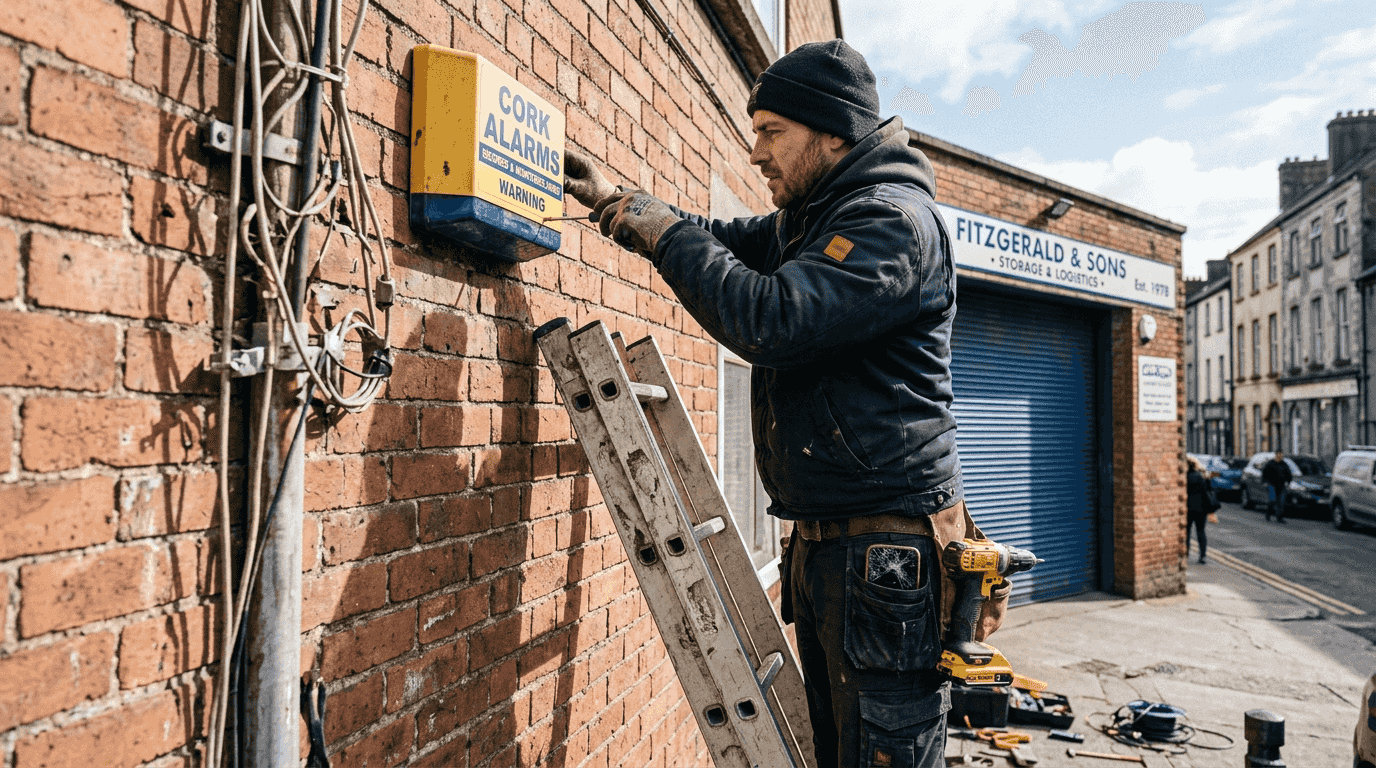
Visible alarm components signal active security measures to potential intruders. External sounders, warning signs, and control panels create the impression of monitored, protected premises. Most opportunistic criminals avoid targets with obvious security systems, preferring easier opportunities elsewhere.
Immediate alerting capability
Modern alarm systems notify you, your security team, or monitoring centres within seconds of detecting intrusion attempts. This rapid alerting enables swift responses that can prevent theft, apprehend intruders, or minimise damage. Every minute counts during a security breach, and instant notifications dramatically improve outcomes.
Insurance premium reductions
Many insurers offer significant premium discounts for businesses with professionally installed, monitored alarm systems. These reductions often cover a substantial portion of your annual alarm system costs. Beyond direct savings, alarms simplify claims processes and demonstrate due diligence in protecting your assets.
Integration with broader security measures
Today’s intruder alarm installation options integrate seamlessly with CCTV cameras, access control systems, and monitoring services. This integration creates layered security where systems work together, each strengthening the others. When an alarm triggers, integrated cameras can automatically record the area, providing crucial evidence.
Pro Tip: Request integration capabilities during initial consultations, even if you plan to add CCTV or access controls later. Retrofitting compatibility costs more than designing integrated systems from the start.
Whilst property crimes still occur despite overall reductions, alarm systems significantly shift the risk equation in your favour. They transform your property from a soft target into a hardened facility that criminals actively avoid.
Choosing and installing intruder alarm systems for your property
Selecting the right alarm system requires understanding your specific security needs, building characteristics, and operational requirements. The installation process itself demands professional expertise to ensure reliable, compliant operation.
System selection criteria
Assess your property’s entry points, including doors, windows, skylights, and loading bays.
Identify areas requiring motion detection coverage, such as corridors, storage rooms, and high-value asset locations.
Consider environmental factors like electromagnetic interference, temperature extremes, and structural materials that affect sensor performance.
Evaluate your monitoring preferences, from self-monitoring via smartphone apps to professional 24/7 monitoring centres.
Plan for future expansion, ensuring the system can accommodate additional sensors or integration with other security technologies.
Pro Tip: Walk your premises with security professionals to identify vulnerabilities you might overlook. Fresh expert perspectives often reveal blind spots in your security thinking.
Alarm system types comparison
System Type | Installation | Scalability | Reliability | Best For |
Wired | Complex, permanent | Limited | Excellent | New builds, renovations |
Wireless | Quick, flexible | Excellent | Very good | Existing buildings, rentals |
Hybrid | Moderate | Excellent | Excellent | Large properties, phased upgrades |
Wired systems offer rock-solid reliability but require extensive cabling through walls and ceilings. They suit new construction projects or major renovations where infrastructure installation happens alongside other building works. Wireless systems provide flexibility and faster installation, making them ideal for established premises or businesses in leased spaces. Hybrid systems combine wired backbone infrastructure with wireless peripheral devices, balancing reliability with expansion flexibility.
Professional installation process
Quality intruder alarm installation services follow structured processes that ensure compliant, reliable operation. Expect site surveys, customised design proposals, professional installation by certified technicians, comprehensive testing, and user training. Installers should provide documentation including system layouts, user manuals, and maintenance schedules.
Security systems must meet Irish standards and support insurance requirements. Professional installers understand these compliance obligations and design systems that satisfy both regulatory requirements and insurer expectations. They also provide certification documents essential for insurance claims and regulatory audits.
Maintenance schedules typically include quarterly testing of all sensors and annual professional inspections. Regular maintenance prevents false alarms, ensures reliable operation during actual intrusions, and maintains insurance compliance. Budget for ongoing maintenance costs alongside initial installation expenses.
Integrating intruder alarms with broader security strategies
Intruder alarms function most effectively as components within comprehensive security ecosystems. Integration with complementary technologies multiplies protection capabilities and operational efficiency.
CCTV and alarm synergy
When alarms trigger, integrated CCTV systems automatically focus cameras on affected zones and begin recording. This coordinated response provides real-time visual verification of threats, helping distinguish genuine intrusions from false alarms. The combination of alarm systems and CCTV correlates with significant crime reduction, with businesses reporting up to 50% fewer security incidents.
Video verification also reduces monitoring centre response times. Security personnel can assess threats instantly without dispatching guards to investigate every alarm activation. This efficiency cuts costs whilst maintaining rapid response to genuine emergencies.
Access control integration benefits
Alarm systems can automatically arm when the last authorised person exits, eliminating manual arming mistakes
Access logs correlate with alarm events, providing detailed security incident timelines
Failed access attempts can trigger alarm notifications, alerting you to potential security probes
Emergency situations can trigger access control lockdowns, containing threats whilst alarms summon help
Access control systems working alongside alarms create intelligent security environments that respond dynamically to threats. This integration proves particularly valuable for properties with multiple zones requiring different security levels or operating schedules.
Standalone versus integrated systems
Approach | Initial Cost | Long-term Value | Flexibility | Management Complexity |
Standalone | Lower | Limited | Restricted | Multiple interfaces |
Integrated | Higher | Excellent | Extensive | Single unified platform |
Standalone systems cost less initially but create management headaches as you juggle multiple platforms, login credentials, and alert mechanisms. Integrated systems require larger upfront investments but deliver streamlined management, better threat correlation, and enhanced incident response capabilities.
Pro Tip: Choose security system manufacturers with open integration standards rather than proprietary ecosystems. Open standards ensure you’re not locked into single vendors and can upgrade individual components without replacing entire systems.
Modern cloud-based security platforms enable remote monitoring and management from any internet-connected device. You can check system status, review alert histories, and adjust settings from your smartphone, providing unprecedented control over business security regardless of your physical location.
Enhance your business security with Signal Fire & Security
Protecting your commercial property requires expertise, quality equipment, and reliable ongoing support. Signal Fire & Security delivers comprehensive intruder alarm solutions tailored to Irish businesses, from initial consultation through installation to monitoring and maintenance.

Our intruder alarm installations combine cutting-edge detection technology with proven deterrence strategies. We design systems matching your specific property layout, asset profile, and operational requirements. Integration with professional monitoring services ensures 24/7 protection with rapid response to genuine threats. When combined with our access control solutions, you gain a unified security platform that adapts to evolving business needs. Our Dublin-based team understands local security challenges and compliance requirements, delivering solutions that protect your business whilst satisfying insurance and regulatory obligations.
FAQ
What types of intruder alarms are best for commercial properties?
Wireless systems suit most existing commercial buildings, offering flexible sensor placement without extensive cabling work. Larger properties or new constructions benefit from hybrid systems combining wired reliability with wireless expansion capabilities. Professional security assessments determine optimal configurations for your specific premises and requirements. Contact intruder alarm specialists for site evaluations.
How do intruder alarms affect insurance premiums for businesses?
Many commercial insurers reduce premiums by 10-20% for properties with professionally monitored alarm systems meeting industry standards. Reductions depend on your insurer, business type, and system specifications. Request documentation from your alarm installer proving compliance with insurance requirements. Always verify specific premium impacts with your insurance provider before purchasing systems based solely on potential savings. Properly maintained systems demonstrating commercial security best practices typically qualify for maximum discounts.
Can intruder alarms be integrated with other security systems?
Yes, modern intruder alarms integrate seamlessly with CCTV surveillance, access control systems, and fire alarm networks. Integration enables coordinated responses where alarm triggers activate cameras, lock doors, and alert monitoring centres simultaneously. Unified platforms simplify security management through single interfaces controlling multiple systems. Specify integration requirements during initial consultations to ensure compatible equipment selection. Our integrated access control installations demonstrate how layered security systems work together for enhanced protection.
How often do intruder alarm systems require maintenance?
Quarterly self-tests checking sensors, sounders, and communication links maintain basic functionality. Annual professional inspections by certified technicians ensure compliance with insurance requirements and identify potential issues before they compromise security. Battery replacements typically occur every three to five years depending on system usage. Regular maintenance prevents false alarms, extends equipment lifespan, and maintains insurance policy validity. Schedule maintenance during low-activity periods to minimise business disruption.
Recommended



Comments